The SSB tax would be an excise tax .Excise taxes can be present at all levels of government: local, state, and federal. State taxes, unlike excise taxes, are imposed upon the customer when they purchase from a product and are generally a fraction of the total price. Excise taxes are taxes on goods produced for sale and are heftier than state taxes. Since the producers and sellers are being taxed, they will raise their prices when the consumers purchase their products. The new tax would be very efficient because the state tax will still be present, along with the new excise tax.
The revenue from the excise tax would go directly to the hands of the government. This is where many people have a problem. The government generally is not resourceful with tax money. Many question whether or not the revenue will actually benefit us. The government is supposed to use the money for educational programs to help fight obesity and other programs that are similar.
Tuesday, October 19, 2010

Monday, October 18, 2010
Revenue calculator
Visit this website and you can calculate the potential revenue generated by a city, state, or nation from a tax on SSBs.
Friday, October 15, 2010
Election 2010- NY
The SSB tax is being the most debated in the state of New York. Their current governor, Governor Paterson, has taken initiative in trying to implement the tax. He is a member of the Democratic Party. It is good news to the New Yorkers that are against the tax that he is not returning to the NY government this round of elections.
With the election coming in the next few weeks, I will am curious to see which politicians oppose or support the tax. Kirsten Gillibrand and Chuck Schumer are the two Democratic incumbents. Gillibrand is a notorious supporter of encouraging better eating habits, especially those of children. She has two young kids and does not have soda in her house. However, she does not fully support the Governor’s current push to bar SSBs from being purchased with food stamps. She would prefer different means of decreasing consumption. Charles Schumer did not comment when questioned on the efforts of Governor Paterson to decrease the consumption of SSBs.
Many complain that Democrats have policies that are too involved with Americans’ lives. New Yorkers should be worried that although the excise tax may not be implemented soon, there may be changes made at the state level that will involve an anti-SSB movement.
Analysis Post
The SSB tax has historically been a sales tax implemented by the states. Currently, 33 states have sales taxes on soft drinks, but the taxes are too small to affect consumption. The average sales tax is a mere 5.2%. The revenues are not earmarked for programs related to health. A recent debate has risen over whether or not a new tax should be tacked on top of the state’s sales taxes due to a concern of the health of Americans. The tax would be an excise tax of a penny per ounce. In Alaska alone, that would produce over 33 million dollars in tax money annually. The tax money would belong to the government in which they plan to spend the yield on health care reform for low income Americans, healthy food options for the poor, as well as educating the public with an aim on children.
The debate is specifically intense in New York, a state with an atrocious obesity rate of over 60% among adults. Heavy state-wide campaigning, including this vicious video, has been taking place to reduce the amount of consumption and raise awareness and support of the possible new tax. However, many Yankees believe that the government is solely wasting away money that could be spent on something more important. . They insist their drinking habits will be consistent with their current rates of consumption. In their opinion, the government should not intervene because it is not in their power to control what Americans drink or the amount of what they drink. The SSB tax is expected to be as successful as the cigarette tax that was recently imposed. Although the chances of success are high, it ethically may be the wrong thing for the government to have this much control on people’s lives. Thomas Briant, the executive director of the National Association of Tobacco Outlets, agrees. He says, “using taxes to legislate use of a legal product is not a good policy.”
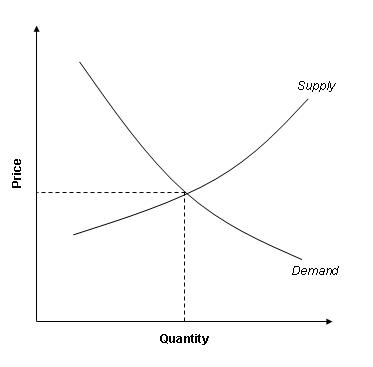
The tax would also lead to a loss of revenue for all the businesses involved in sugar sweetened beverage production and selling. The aim of the tax is to reduce the demand for SSBs, which will increase the supply. To counter the increased supply, production of SSBs will decrease. This means not as many bottles or ingredients will be needed. Bottling producers and the companies that supply the ingredients will face a deficit as well since their products will no longer be needed as much as they were before the introduction of the tax. The stores that sell SSBs will also suffer from the tax since not as many people will be expending money to purchase the drinks. The tax would potentially harm the economy and result in a few job cuts and revenue loss for companies.
With elections rapidly approaching, it could be the answer to these citizens’ prayers that their Governor Paterson is not running again. However, to the dismay of many Americans that religiously consume sugar sweetened beverages, the tax idea proposed by Paterson in January 2010 has already made it to the 2010-2011 Executive Budget.
The trend of consumption of SSBs has been increasing since the introduction of soda to society in the late 19th century. Scientists and researchers have been studying the impact of SSBs on its consumers. They’ve found that consumption of sugar sweetened beverages is a major contributor to obesity. The amount of calories consumed by drinking 12 ounces of soda a day can increase a person’s weight by 15 pounds a year. Obesity is associated with life threatening conditions such as heart disease, diabetes, high blood pressure and cancer. The strong link between the SSBs and obesity gives the government reason to worry. New Yorkers alone spend an estimated $7.6 billion annually to treat obesity related health care costs.
Seemingly the only way to curb the appetite of Americans and cost of health care is to incorporate an SSB tax. A tax would provide a financial incentive for people to change their behavior. Public education campaigns are rarely effective in changing behavior. Although most people know that drinking sodas aren’t a healthy choice, they still consume them. An effective public awareness campaign to discourage soda consumption would be quite expensive. An SSB tax would encourage people to make healthier choices in the same way the tobacco tax discouraged people from smoking.
With regards to economic issues, there is already a sales tax on foods and beverages with low nutritional value such as soda and candy. Since the proposed tax doesn’t prohibit people from buying SSBs, it is the choice of the person to choose what they buy. They can buy fewer SSBs and save money and improve their health since water and low-fat milk isn’t taxed. The tax is expected to cause a change in SSB consumption, somewhere around a 10-15% reduction. These values would not cause a significant decrease in production or significant amount of lay-offs. Some people will replace SSBs with alternative beverages which might be produced by the same company. There may be an increase in demand for healthier beverages such as water and unsweetened iced tea which would partially compensate for the reduced demand for SSBs.
With regards to economic issues, there is already a sales tax on foods and beverages with low nutritional value such as soda and candy. Since the proposed tax doesn’t prohibit people from buying SSBs, it is the choice of the person to choose what they buy. They can buy fewer SSBs and save money and improve their health since water and low-fat milk isn’t taxed. The tax is expected to cause a change in SSB consumption, somewhere around a 10-15% reduction. These values would not cause a significant decrease in production or significant amount of lay-offs. Some people will replace SSBs with alternative beverages which might be produced by the same company. There may be an increase in demand for healthier beverages such as water and unsweetened iced tea which would partially compensate for the reduced demand for SSBs.

Wednesday, October 13, 2010
Effectiveness of SSB taxing
There are doubts as to whether or not the implementation of SSB taxing would affect the overall consumption. Some people assert that they will be unscathed by the tax and it will have no impact on how much they drink. I believe the patterns of consumption due to an SSB tax will follow those of the cigarette tax. Once a tax was instilled per pack of cigarettes, the rate at which consumers purchased them declined sharply. The pattern of decreased consumption should hold true with SSBs as well. The tax would be one cent per ounce which is fairly hefty. That would lead to an increase of 68 cents per two liter bottle, a 12 cent increase for a can, and $1.44 increase for a 12 pack of cans. With the current condition of the economy, the amount of people that will be able to continue purchasing these beverages at these prices will not stay consistent with the amount of people purchasing them currently pre-tax.
We should follow the road the cigarette tax took because SSBs are just as unhealthy as cigarettes and pose an equal threat. The benefits from the tax will also be used in a way to help society, as did the cigarette tax.
Friday, October 8, 2010
SSB economic impact
Some argue that SSB taxes would affect the economy in a negative fashion. They assert that the reduction of consumption of SSBs would lead to job cuts in the industry of SSB production and loss of revenue for the companies. The smaller the demand for SSBs is, the smaller the supply needs to be produced. Therefore, jobs will be cut. However, an excise tax on SSBs would aid in the prevention of obesity. I recently discussed the health implications of SSB on the health of its consumers and the effects such as heart disease and type 2 diabetes. In New York alone, these health issues cost the state an estimated $7.6 billion yearly. This amount does not compare to the amount of revenue that would be lost if the SSB tax was imposed. Contrary to popular belief, reducing the circulation of SSBs would actually benefit the economy.
Tuesday, October 5, 2010
Calculate our own BMI!
By calculating your BMI, you're able to see how your weight compares to that of the rest of the population that are the same age and gender.
Subscribe to:
Posts (Atom)